Finding the best red dot for wing shooting is different from picking a dot for a pistol, AR, or turkey gun. When I’m swinging on clays, dove, pheasant, or fast crossing targets, I care less about slow-fire precision and more about a clean sight picture, a forgiving window, low-profile mounting, and a dot that does not interrupt my natural shotgun mount.
For wing shooting, I prefer open reflex sights with a wide field of view and a bright, simple reticle. A big optic can feel awkward on a shotgun, especially when I’m mounting fast from low ready or tracking a bird through changing light. The six red dots below are the ones I’d consider most useful for shooters who want a faster visual reference without turning their shotgun into a bulky tactical setup.
Quick Summary
My top overall pick is the Trijicon SRO because its huge circular window makes target acquisition feel natural when I’m swinging through moving birds. The Leupold Deltapoint Pro is my favorite rugged hunting-style option, while the Burris FastFire 4 gives excellent versatility at a more approachable price. For budget-conscious shooters, the Vortex Venom still makes a lot of sense.
Top Product List
Trijicon SRO - Best for overall wing shooting performance
Leupold Deltapoint Pro - Best for rugged shotgun hunting
Burris FastFire 4 - Best for versatile reticle options
Vortex Venom - Best for budget-friendly wing shooting
HOLOSUN 507C-X2 - Best for multi-reticle flexibility
EOTECH EFLX - Best for a large, clean viewing window
Best Red Dot for Wing Shooting: Top 6 Picks for 2026
Trijicon SRO
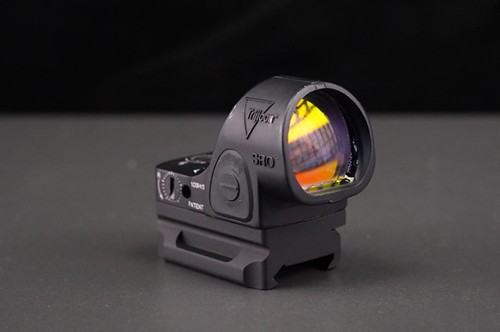
The Trijicon SRO is my favorite red dot for wing shooting because the window is large, round, and easy to stay behind while the shotgun is moving. When I’m tracking crossing clays or birds, that extra glass makes the dot easier to pick up without feeling boxed in.
- Reticle: Red dot
- Window style: Open reflex
- Battery: Top-loading CR2032
- Housing: Aluminum
- Best use: Shotguns, competition, hunting, moving targets
Pros
- Huge viewing window
- Very fast dot pickup
- Top-loading battery
- Excellent brightness range
- Premium build quality
Cons
- Expensive
- Sits taller than some compact dots
- Not the smallest choice for slim shotguns
My personal experience with the SRO has been simple: it lets me keep my eyes on the target instead of hunting for the dot. On a moving shotgun, that matters. The big circular lens gives me more margin when my mount is slightly imperfect, which happens when birds flush fast.
Online customer feedback is generally strong around the large window, crisp dot, and fast acquisition. The main complaints I see are price and size, but for wing shooting, I actually see the size as an advantage.
For mounting, the SRO does not mount directly to a shotgun rib by itself. It uses the Trijicon RMR footprint, so most shotguns will need a receiver mount, rail, rib adapter, or dedicated optics plate.
➤➤➤ Click Here to Check Price on Amazon
➤➤➤ Click Here to Check Price on OpticsPlanet
➤➤➤ Click Here to Check Price on EuroOptic
Leupold Deltapoint Pro
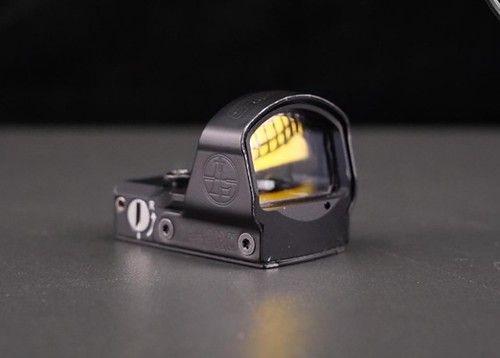
The Leupold Deltapoint Pro is a tough, practical reflex sight that feels right at home on a hunting shotgun. I like it for shooters who want a durable red dot without going overly tactical or overly complicated.
- Reticle: Red dot
- Window style: Open reflex
- Battery: Top-access battery compartment
- Housing: Aluminum
- Best use: Shotguns, handguns, hunting, competition
Pros
- Durable housing
- Generous sight window
- Easy battery access
- Clean sight picture
- Good for hunting use
Cons
- Mounting height depends heavily on adapter
- Not the cheapest option
- Bulkier than micro reflex dots
My personal experience with the Deltapoint Pro is that it feels forgiving during fast mounts. The glass shape is open enough that I can stay target-focused, and the dot is easy to find when I bring the gun up quickly.
Customer feedback often praises the bright dot, rugged construction, and easy battery access. Some users mention that the right mount is important, and I agree completely. On a shotgun, poor mounting height can ruin an otherwise great optic.
For mounting, the Deltapoint Pro usually requires a shotgun-specific mount, Picatinny rail, or adapter plate. It does not clamp directly to a plain vent rib unless you use a compatible rib-mount adapter.
➤➤➤ Click Here to Check Price on Amazon
➤➤➤ Click Here to Check Price on OpticsPlanet
➤➤➤ Click Here to Check Price on EuroOptic
Burris FastFire 4
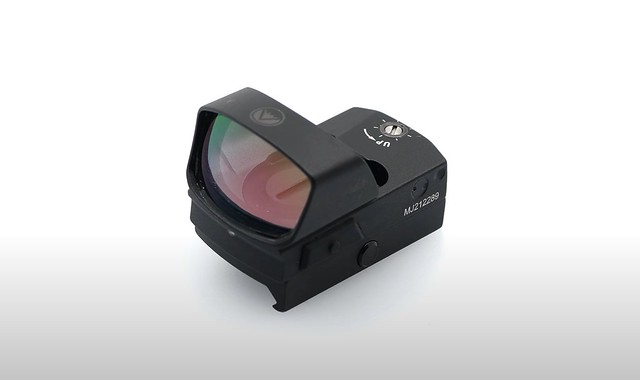
The Burris FastFire 4 is one of the more practical red dots for a shotgunner who wants flexibility. I like it because it stays compact, has useful reticle choices, and works well for shooters who split time between clays, upland hunting, and range work.
- Reticle: Multiple reticle options
- Window style: Open reflex
- Battery: CR1632
- Housing: Aluminum
- Best use: Shotguns, pistols, carbines, hunting
Pros
- Compact and light
- Multiple reticle choices
- Good value
- Useful for different shooting styles
- Works well on lightweight shotguns
Cons
- Smaller window than the SRO
- Battery is not as common as CR2032
- May require experimenting with brightness settings
My personal experience with the FastFire 4 is that it feels less intrusive on a shotgun than larger optics. I give up some window size compared with the SRO, but I gain a lighter, handier setup that still tracks well on moving targets.
Online customer feedback tends to highlight the value, reticle options, and compact profile. Some shooters prefer larger windows, but many like how unobtrusive the FastFire feels on hunting guns.
For mounting, the FastFire 4 requires a compatible base, rib mount, rail, or adapter plate. It will not mount directly to a standard shotgun rib without the correct mounting hardware.
➤➤➤ Click Here to Check Price on Amazon
➤➤➤ Click Here to Check Price on OpticsPlanet
➤➤➤ Click Here to Check Price on EuroOptic
Vortex Venom
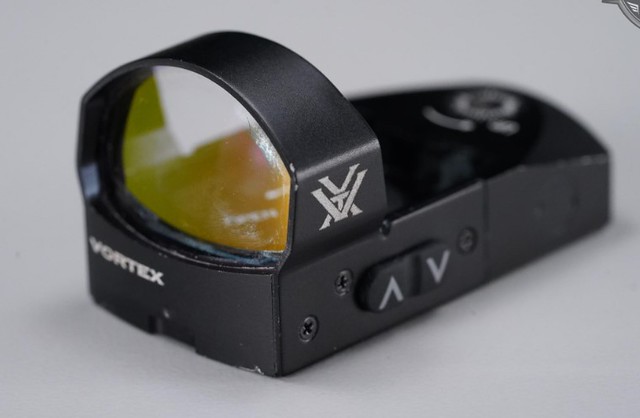
The Vortex Venom is my budget-friendly pick for wing shooting because it gives a clean dot, simple controls, and a compact body without pushing into premium pricing. For a first shotgun red dot, it is easy to like.
- Reticle: Red dot
- Window style: Open reflex
- Battery: CR1632
- Housing: Aluminum
- Best use: Shotguns, pistols, range use, hunting
Pros
- Good price-to-performance ratio
- Lightweight design
- Clear window
- Simple controls
- Popular mounting support
Cons
- Not as rugged as premium options
- Smaller window than top-tier choices
- Battery life depends on brightness use
My personal experience with the Venom is that it performs best when mounted low. On a wing gun, a low mount helps preserve cheek weld and keeps the dot from feeling disconnected from the barrel.
Customer feedback is usually positive for value, ease of use, and clarity. The most common concerns are durability compared with more expensive optics and the need to use the correct mount.
For mounting, the Vortex Venom needs a compatible rail, plate, or shotgun rib adapter. It does not directly attach to a plain shotgun rib without an added mount.
➤➤➤ Click Here to Check Price on Amazon
➤➤➤ Click Here to Check Price on OpticsPlanet
➤➤➤ Click Here to Check Price on EuroOptic
HOLOSUN 507C-X2
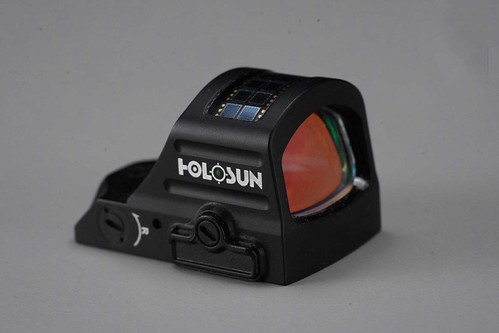
The HOLOSUN 507C-X2 is a smart choice if you want reticle flexibility. I especially like circle-dot style aiming references for moving targets because the larger visual cue can be easier to catch during a fast mount.
- Reticle: Multiple reticle system
- Window style: Open reflex
- Battery: Side-loading CR1632
- Housing: Aluminum
- Best use: Shotguns, pistols, hunting, range use
Pros
- Flexible reticle options
- Side battery tray
- Solar backup feature
- Durable construction
- Good value for features
Cons
- Smaller window than competition-style optics
- Reticle options may be more than some shooters need
- Requires correct mounting plate
My personal experience with the 507C-X2 is that the reticle system is the main attraction. For wing shooting, I like having the option of a larger reference instead of a tiny dot alone, especially on quick presentations.
Online customer feedback commonly praises battery life, reticle choice, and overall value. Some users prefer simpler dots, but those who like adjustable reticle systems usually rate it highly.
For mounting, the 507C-X2 uses an RMR-style footprint, but most shotguns still need a receiver rail, adapter plate, or rib mount. It does not mount directly to a plain rib without added hardware.
➤➤➤ Click Here to Check Price on Amazon
➤➤➤ Click Here to Check Price on OpticsPlanet
➤➤➤ Click Here to Check Price on EuroOptic
EOTECH EFLX
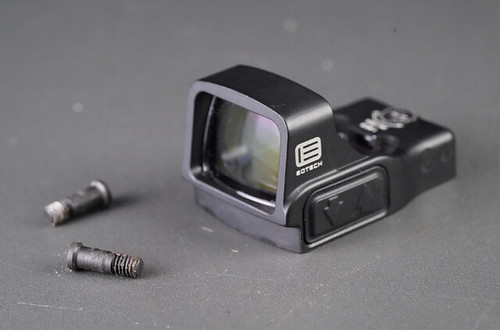
The EOTECH EFLX is a strong fit for shooters who want a big, clean rectangular viewing window. I like it for wing shooting because the sight picture feels open, and it does not make me feel like I’m looking through a tiny tunnel.
- Reticle: Red dot
- Window style: Open reflex
- Battery: Top-loading CR2032
- Housing: Aluminum
- Best use: Shotguns, pistols, competition, hunting
Pros
- Large viewing window
- Top-loading battery
- Clean dot presentation
- Simple controls
- Good for fast acquisition
Cons
- Still needs a proper mount
- Not as proven as some older designs
- May sit higher depending on shotgun setup
My personal experience with the EFLX is that it feels natural when I’m moving the gun across a target line. The window gives me enough room to stay visually connected with the bird or clay, which is exactly what I want from a wing-shooting dot.
Customer feedback often focuses on the large window, clean glass, and easy battery access. Some shooters compare it directly against the Deltapoint Pro or SRO, and I see it as a strong middle-ground option.
For mounting, the EFLX uses the Leupold Deltapoint Pro footprint, so it usually requires a compatible shotgun mount, rail, or adapter plate. It does not mount directly to a standard vent rib by itself.
➤➤➤ Click Here to Check Price on Amazon
➤➤➤ Click Here to Check Price on OpticsPlanet
➤➤➤ Click Here to Check Price on EuroOptic
How to Choose the Right Red Dot Sight
For wing shooting, I start with window size. A large window makes it easier to stay target-focused while swinging through birds or clays. I do not want to search for the dot after the gun is already moving.
Next, I look at mounting height. A red dot that sits too high can break my cheek weld and make the shotgun feel unnatural. The best setup is usually the lowest secure mount that still lets the optic function properly.
Dot brightness matters because wing shooting often happens in bright fields, over water, in snow, or under shifting tree cover. I want a dot that can get bright enough in full sun but not bloom so badly that it covers the target.
I also consider reticle style. A simple dot is clean, but a circle-dot reticle can help some shooters pick up the aiming reference faster on moving targets.
Finally, I think about weight and balance. A heavy optic or bulky rail can change how a shotgun swings. For me, the best red dot for wing shooting is the one that helps my eyes without making the gun feel slow.
FAQs
Is a red dot good for wing shooting?
Yes, a red dot can work well for wing shooting if it is mounted low and used with both eyes open. I see it as a visual reference, not a replacement for proper swing, lead, and follow-through.
What dot size is best for wing shooting?
I usually prefer a medium-size dot or a circle-dot reticle. A tiny precision dot is not always necessary because wing shooting is fast, dynamic, and target-focused.
Should I use an open or enclosed red dot on a shotgun?
For most wing shooting, I prefer an open reflex sight because it gives me a wider, less obstructed view. Enclosed dots are better for harsh weather, but they can feel more tube-like.
Do red dots mount directly to shotgun ribs?
Most red dots do not mount directly to a plain shotgun rib. You normally need a rib adapter, receiver rail, drilled-and-tapped mount, or optics plate.
What is the best overall red dot for wing shooting?
My top overall pick is the Trijicon SRO. Its large window, fast dot pickup, and clean sight picture make it the easiest optic for me to use on moving targets.
Conclusion
The best red dot for wing shooting should feel fast, open, and natural on a moving shotgun. After comparing these six options, my strongest overall choice is the Trijicon SRO because its large window gives me the most forgiving sight picture for clays, doves, pheasants, and other fast-moving targets.
The Leupold Deltapoint Pro is the rugged hunting pick, the Burris FastFire 4 is the versatile value choice, and the Vortex Venom is the best budget-friendly starting point. If you want reticle flexibility, I’d look hard at the HOLOSUN 507C-X2, while the EOTECH EFLX is a great option for shooters who want a big, clean window without going straight to the SRO.