Finding the best red dot for Stevens .410 is a little different from shopping for an AR, turkey gun, or defensive shotgun. The Stevens .410 is light, handy, and easy to carry, but that also means I pay close attention to optic weight, mount height, dot size, battery life, and how well the sight handles shotgun use without making the gun feel awkward.
For a .410, I usually prefer a simple, durable red dot with a clear aiming point and low enough weight that it does not ruin the balance of the shotgun. After using and comparing different red dots on lightweight shotgun setups, these are the six I would trust most for a Stevens .410 in 2026.
Quick Summary
My top overall pick is the Sig Sauer Romeo5 because it balances price, durability, battery life, and easy mounting better than most compact tube-style red dots. For the lightest possible setup, I like the Burris FastFire 3. For hunters who want a bigger viewing window, the Vortex Venom is very comfortable behind a shotgun. If budget matters most, the Bushnell TRS-25 still makes a lot of sense.
Top Product List
Sig Sauer Romeo5 - Best for overall Stevens .410 use
Vortex Crossfire - Best for durability and simple controls
Burris FastFire 3 - Best for lightweight mounting
Vortex Venom - Best for fast target acquisition
Bushnell TRS-25 - Best budget red dot
HOLOSUN 403B - Best for long battery life
Best Red Dot for Stevens .410: Top 6 Picks for 2026
Sig Sauer Romeo5
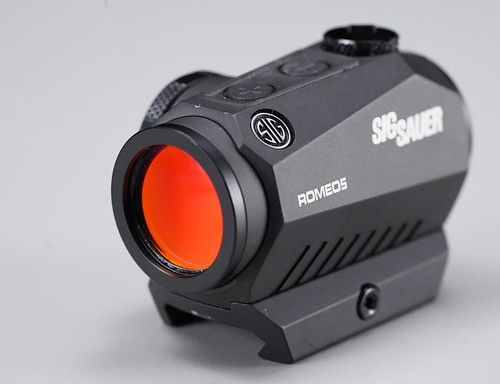
The Sig Sauer Romeo5 is my favorite all-around red dot for a Stevens .410 because it is compact, easy to use, and rugged enough for regular field use. I like it most on a .410 used for small game, pests, or general-purpose shooting.
- 2 MOA red dot
- Compact tube-style design
- Motion-activated illumination
- Multiple brightness settings
- Uses common red dot mounting system
- Good option for shotgun receiver rails
Pros
- Excellent overall value
- Clear dot for precise .410 patterns
- Great battery management
- Compact but still easy to see through
- Durable enough for field use
Cons
- Slightly taller than some reflex sights
- Tube body gives a more enclosed sight picture
- May need a low mount depending on setup
My personal experience with the Romeo5 has been very positive on lightweight firearms. On a Stevens .410, I like that it gives me a precise 2 MOA aiming point without feeling fragile. The controls are simple, the dot is easy to pick up, and the motion activation is something I appreciate when I grab the gun quickly.
Online customer feedback is generally strong, especially from shooters who want a dependable red dot without paying premium optic prices. Many users like the brightness range, battery life, and rugged feel.
For mounting, the Romeo5 does not mount directly to a plain Stevens .410 receiver. You need a compatible shotgun rail, receiver rail, or mount base. Once a Picatinny-style rail is installed, the Romeo5 can mount to that rail using its included mount or another compatible low mount.
➤➤➤ Click Here to Check Price on Amazon
➤➤➤ Click Here to Check Price on OpticsPlanet
➤➤➤ Click Here to Check Price on EuroOptic
Vortex Crossfire
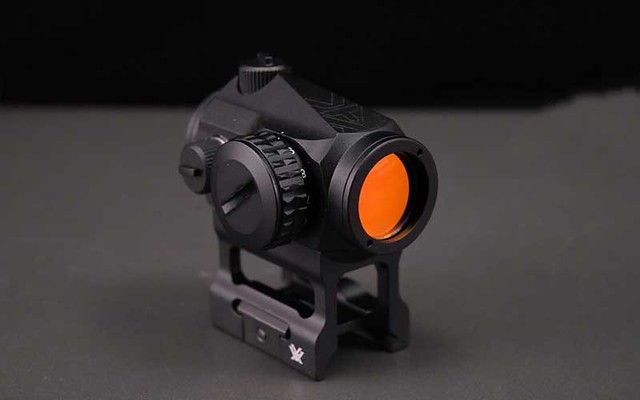
The Vortex Crossfire is another excellent compact tube red dot for a Stevens .410, especially if you want a simple optic with a clean sight picture and a reputation for practical durability.
- 2 MOA red dot
- Compact tube housing
- Adjustable brightness
- Lightweight construction
- Picatinny-compatible mounting
- Good for hunting and range use
Pros
- Clean, crisp aiming dot
- Easy controls
- Strong value
- Good fit for a receiver-mounted shotgun setup
- Backed by Vortex’s strong reputation
Cons
- Not as featherlight as an open reflex sight
- Requires a rail or adapter
- Tube design is not as open as a micro reflex
I like the Crossfire when I want a straightforward red dot that feels dependable without overcomplicating the shotgun. On a Stevens .410, it gives a nice balance of speed and precision. I also like that the 2 MOA dot does not cover too much of a small target.
Customer feedback often praises the Crossfire for being clear, easy to zero, and reliable for the money. Many shooters use it on carbines, rimfires, and shotguns, which makes it a versatile pick.
For mounting, the Vortex Crossfire requires a Picatinny or Weaver-style rail. It will not mount directly to a standard Stevens .410 receiver unless your shotgun already has a rail installed or you add a compatible mount.
➤➤➤ Click Here to Check Price on Amazon
➤➤➤ Click Here to Check Price on OpticsPlanet
➤➤➤ Click Here to Check Price on EuroOptic
Burris FastFire 3
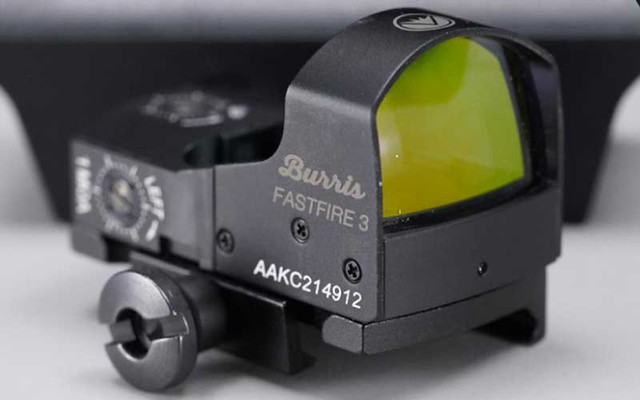
The Burris FastFire 3 is my favorite lightweight reflex-style red dot for a Stevens .410. It keeps the shotgun trim and quick, which matters a lot to me on a small-bore shotgun.
- Open reflex design
- Compact and lightweight
- Available with practical dot sizes
- Top-access battery design
- Brightness adjustment
- Works well on low-profile shotgun mounts
Pros
- Very light
- Fast sight picture
- Does not make the shotgun feel top-heavy
- Good for hunting and quick shots
- Simple design
Cons
- Open emitter is more exposed to rain and debris
- Smaller window than some larger reflex sights
- Requires the right base or adapter
My experience with the FastFire 3 has been best on lightweight guns where balance matters. On a Stevens .410, I like how little bulk it adds. It helps me stay target-focused, especially when shooting at close range or moving targets.
Online customer feedback usually highlights the FastFire 3’s small size, easy use, and good performance for the price. Some users prefer it for turkey guns, rimfires, and lightweight hunting setups.
For mounting, the FastFire 3 usually requires a compatible adapter plate or mount. It does not mount directly to a plain Stevens .410 receiver. A shotgun rail or specific FastFire-compatible mount is needed.
➤➤➤ Click Here to Check Price on Amazon
➤➤➤ Click Here to Check Price on OpticsPlanet
➤➤➤ Click Here to Check Price on EuroOptic
Vortex Venom
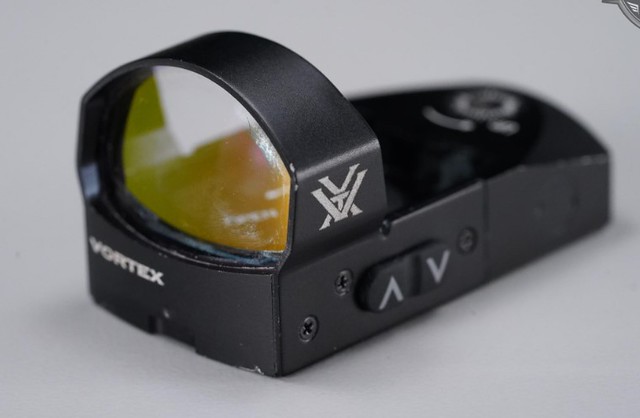
The Vortex Venom is a fast, open reflex red dot that works well when I want a wide view and quick target pickup on a Stevens .410.
- Open reflex sight
- Wide viewing window
- Bright red dot
- Compact housing
- Top-load battery
- Adjustable brightness
Pros
- Very fast to acquire
- Larger window than many micro sights
- Lightweight feel
- Good for close-range shotgun work
- Easy battery access
Cons
- Open emitter can collect debris
- Needs a mounting plate or rail adapter
- Less protected than enclosed tube optics
I like the Venom for quick shooting. On a .410, the bigger window helps me get on target naturally without feeling like I am searching for the dot. It is especially useful when I am shooting from field positions rather than a bench.
Customer feedback often mentions the Venom’s clear glass, easy controls, and fast sight picture. Some users also like it for shotguns because it keeps the aiming process simple.
For mounting, the Vortex Venom requires a compatible base, adapter plate, or rail mount. It does not directly attach to a standard Stevens .410 receiver unless the shotgun has been drilled, tapped, or fitted with a compatible rail system.
➤➤➤ Click Here to Check Price on Amazon
➤➤➤ Click Here to Check Price on OpticsPlanet
➤➤➤ Click Here to Check Price on EuroOptic
Bushnell TRS-25
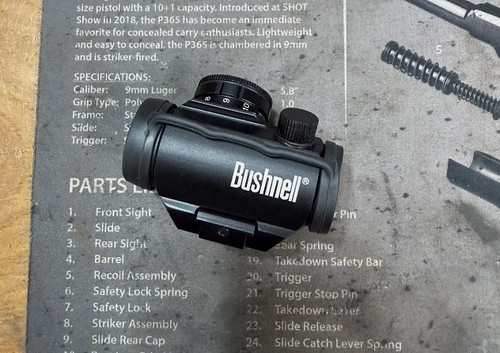
The Bushnell TRS-25 is the budget pick I still respect for a Stevens .410. It is not fancy, but it is affordable, compact, and practical for casual hunting or range use.
- Compact tube-style red dot
- 3 MOA red dot
- Multiple brightness settings
- Picatinny-style mounting
- Lightweight body
- Simple rotary control
Pros
- Very affordable
- Easy to use
- Good size for a .410 shotgun
- Simple controls
- Proven budget option
Cons
- Battery life is not as advanced as newer sights
- Dot may not look as refined as premium optics
- Basic features only
My personal experience with the TRS-25 is that it works best when expectations are realistic. On a Stevens .410, I like it for informal shooting, pest control, and a low-cost hunting setup. It gives me a usable dot without spending more than the shotgun may justify.
Online customer feedback is generally positive from budget-minded shooters. Many like it because it is inexpensive and functional, though some note that it lacks the refinement of higher-end red dots.
For mounting, the TRS-25 needs a rail. It does not mount directly to a bare Stevens .410 receiver. With a proper Picatinny or Weaver-style rail, installation is straightforward.
➤➤➤ Click Here to Check Price on Amazon
➤➤➤ Click Here to Check Price on OpticsPlanet
➤➤➤ Click Here to Check Price on EuroOptic
HOLOSUN 403B
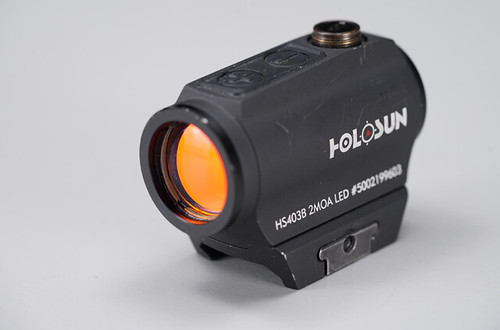
The HOLOSUN 403B is a strong pick for shooters who want long battery life and a clean 2 MOA dot on their Stevens .410.
- 2 MOA red dot
- Compact tube design
- Long battery life design
- Multiple brightness settings
- Durable housing
- Picatinny-compatible mounting
Pros
- Excellent battery life
- Clear 2 MOA dot
- Compact and rugged
- Good for hunting or defensive-style shotgun setups
- Easy to use
Cons
- Requires a rail
- Tube sight is not as open as reflex optics
- May sit higher than some shooters prefer
I like the HOLOSUN 403B when I want a red dot I can leave set up and not think about constantly. On a Stevens .410, it feels like a modern, reliable upgrade without going too large or too heavy.
Customer feedback is often strong for Holosun’s value, battery life, and feature set. Many shooters appreciate that it offers performance close to more expensive optics while staying reasonably priced.
For mounting, the HOLOSUN 403B requires a Picatinny rail or compatible base. It will not mount directly to a plain Stevens .410 receiver unless the shotgun already has a rail or you install one.
➤➤➤ Click Here to Check Price on Amazon
➤➤➤ Click Here to Check Price on OpticsPlanet
➤➤➤ Click Here to Check Price on EuroOptic
How to Choose the Right Red Dot Sight
When I choose a red dot for a Stevens .410, I start with weight. A .410 shotgun is usually light and handy, so a huge optic can ruin the feel. That is why compact tube sights and lightweight reflex sights make the most sense.
Mounting is the next big issue. Most Stevens .410 shotguns do not accept a red dot directly unless they already have a rail or have been set up with a compatible mount. Before buying the optic, I always make sure I know whether I need a receiver rail, saddle mount, or adapter plate.
Dot size also matters. A 2 MOA dot is better when I want more precision, while a 3 MOA or larger dot can be faster at close range. For small game, I usually prefer a 2 MOA dot. For quick shotgun work, a slightly larger dot can feel more natural.
I also think about sight style. Tube red dots like the Romeo5, Crossfire, TRS-25, and 403B offer better protection around the emitter. Open reflex sights like the FastFire 3 and Venom feel lighter and faster but leave the emitter more exposed.
Finally, I look at controls and battery access. A simple optic is usually better on a .410. I want a dot that turns on easily, holds zero, and does not require me to remove the sight just to change the battery.
FAQs
What is the best overall red dot for a Stevens .410?
My best overall pick is the Sig Sauer Romeo5. It gives me the best mix of durability, price, battery life, and easy use on a Stevens .410.
Do red dots mount directly to a Stevens .410?
Usually, no. Most red dots require a rail, adapter, or mounting plate unless your Stevens .410 already has a compatible optic-ready setup.
Is a tube red dot or reflex sight better for a Stevens .410?
I prefer tube red dots for durability and reflex sights for lightweight handling. For rough field use, I lean toward a tube sight. For the lightest setup, I like an open reflex sight.
What dot size is best for a .410 shotgun?
A 2 MOA dot is my favorite for precision and small-game use. A 3 MOA dot can also work well if you want faster close-range aiming.
Is the Bushnell TRS-25 good enough for a Stevens .410?
Yes, for budget use. I would not call it the most refined optic here, but it is affordable, simple, and practical for casual .410 shooting.
Conclusion
The best red dot for Stevens .410 shooters in 2026 is the Sig Sauer Romeo5. It gives me the best overall balance of size, durability, battery life, and value. The Vortex Crossfire is a close second if you want another reliable tube-style option, while the Burris FastFire 3 is my favorite for keeping the shotgun as light as possible.
For a budget setup, I would choose the Bushnell TRS-25. For fast reflex-style aiming, I would go with the Vortex Venom. For long battery life, the HOLOSUN 403B is a smart pick. Overall, my strongest recommendation remains the Sig Sauer Romeo5 because it fits the Stevens .410 role better than anything else on this list.