A Kimber 1911 deserves a red dot that feels balanced, holds zero, and does not turn a sleek fighting pistol into a bulky range toy. I have run 1911-style pistols with both open-emitter and enclosed-emitter dots, and my biggest takeaway is simple: the best red dot for a Kimber 1911 depends on how the slide is cut, how much height you can tolerate, and whether the gun is for carry, duty, range work, or competition.
Because most Kimber 1911 pistols are not universally optic-ready from the factory, mounting matters just as much as glass quality. Some dots fit popular 1911 optic plates easily, while others require a specific adapter plate, gunsmith slide cut, or rear-sight dovetail mount. For 2026, I would focus on proven pistol optics with strong housings, clear dots, usable controls, and footprints that are easy to support.
Quick Summary
My top overall pick for a Kimber 1911 is the Trijicon RMR Type 2 because it has the durability, footprint support, and proven track record I want on a hard-use 1911. For competition, I prefer the Trijicon SRO because the large window makes the dot easier to track. If I were building a carry Kimber, I would look closely at the HOLOSUN 507K or Vortex Defender CCW, depending on slide width and mounting setup.
Top Product List
Trijicon RMR Type 2 - Best for overall Kimber 1911 use
Trijicon SRO - Best for competition and fast target transitions
Leupold Deltapoint Pro - Best for large viewing window
HOLOSUN 507K - Best for compact carry Kimber 1911 pistols
Vortex Defender CCW - Best for concealed carry value
Steiner MPS - Best for enclosed-emitter durability
Best Red Dot for Kimber 1911: Top 6 Picks for 2026
Trijicon RMR Type 2
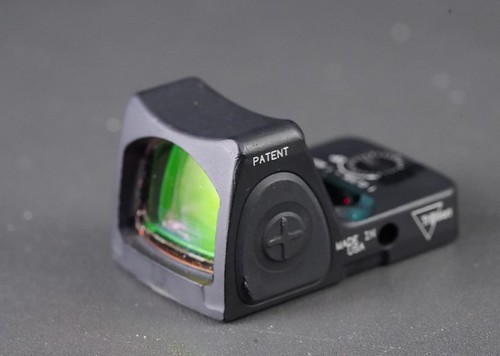
The Trijicon RMR Type 2 is my strongest overall recommendation for a Kimber 1911 because it is compact, rugged, and supported by a huge number of mounting solutions. On a 1911 slide, I like that it keeps the profile fairly tight while still giving me a durable optic I can trust for defensive use.
- Reticle: Red dot
- Housing: Forged aluminum
- Best use: Carry, duty, defensive range training
- Footprint: Trijicon RMR pattern
- Battery style: Top-mounted controls with battery compartment underneath optic
- Key strength: Extreme durability and broad plate support
Pros
- Very rugged housing
- Excellent aftermarket mounting support
- Compact enough for a 1911 slide
- Proven defensive pistol optic
- Holds zero well when mounted correctly
Cons
- Battery changes usually require removing the optic
- Window is smaller than competition-style optics
- Premium price
My personal experience with the RMR Type 2 is that it rewards consistent presentation. The window is not huge, but once I bring the Kimber up cleanly, the dot appears right where I expect it. I also like how little visual bulk it adds to a classic 1911 profile.
Online customer feedback generally praises the RMR Type 2 for toughness, long-term reliability, and confidence under recoil. The most common complaints I see are the price and the need to remove the optic for battery replacement.
For mounting, the RMR Type 2 does not mount directly to a standard Kimber 1911 slide unless the pistol is already cut for the RMR footprint. Most Kimber 1911 owners will need a dedicated optic-ready slide cut, an RMR-compatible mounting plate, or a rear dovetail adapter.
➤➤➤ Click Here to Check Price on Amazon
➤➤➤ Click Here to Check Price on OpticsPlanet
➤➤➤ Click Here to Check Price on EuroOptic
Trijicon SRO
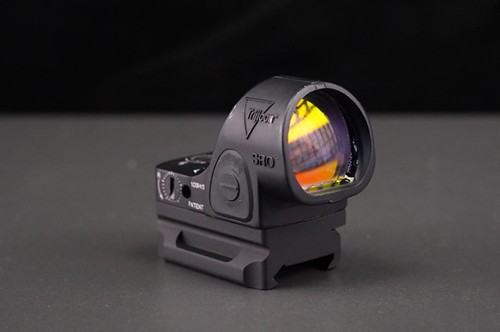
The Trijicon SRO is the red dot I would choose for a Kimber 1911 built mainly for range use, steel, USPSA-style shooting, or fast transitions. It gives me a bigger, more forgiving window than the RMR, which makes dot tracking noticeably easier.
- Reticle: Red dot
- Housing: Aluminum
- Best use: Competition, range, target shooting
- Footprint: Trijicon RMR pattern
- Battery access: Top-loading battery
- Key strength: Large, round viewing window
Pros
- Big window
- Very easy dot acquisition
- Top-loading battery
- Excellent for speed work
- Uses RMR-style mounting pattern
Cons
- Less compact than the RMR
- Not my first choice for rough concealed carry
- Overhang may matter on some slide cuts
On my 1911-style setups, the SRO feels almost like cheating at the range. I can pick up the dot faster during recoil, and it is easier for me to diagnose presentation mistakes because the window gives more visual feedback.
Customer feedback is usually very positive from competition and range shooters. Many people love the glass clarity and window size, while defensive users sometimes prefer tougher or smaller optics for carry.
For mounting, the SRO uses the RMR footprint, so it can work with many RMR-pattern Kimber 1911 plates or slide cuts. It still will not mount directly to a non-optic-cut Kimber slide without an adapter, plate, or gunsmith cut.
➤➤➤ Click Here to Check Price on Amazon
➤➤➤ Click Here to Check Price on OpticsPlanet
➤➤➤ Click Here to Check Price on EuroOptic
Leupold Deltapoint Pro
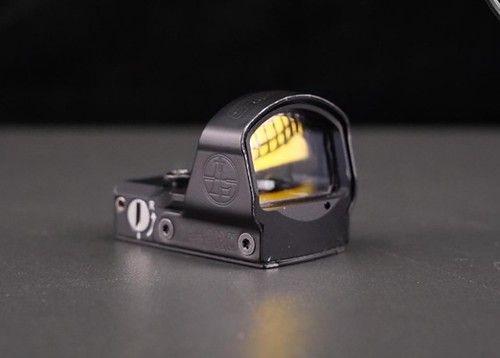
The Leupold Deltapoint Pro is another excellent choice for shooters who want a wide, open sight picture. I like it on a Kimber 1911 when speed and visibility matter more than keeping the optic as tiny as possible.
- Reticle: Red dot
- Housing: Aluminum
- Best use: Range, duty-style setups, competition
- Footprint: DeltaPoint Pro pattern
- Battery access: Top-loading battery
- Key strength: Wide field of view
Pros
- Large, clear window
- Convenient battery access
- Fast dot acquisition
- Good glass quality
- Strong choice for aging eyes
Cons
- Taller than some micro dots
- Requires the right plate or slide cut
- Not as low-profile as an RMR
When I shoot a Deltapoint Pro, I notice how easy it is to find the dot on the draw. On a 1911, that can be a real advantage because the grip angle already points naturally for me, and the optic window gives a generous visual landing zone.
Online customer feedback often highlights the clear window, fast acquisition, and simple battery changes. The most common criticism is that it sits higher than some competing pistol dots.
For mounting, the Deltapoint Pro does not mount directly to a standard Kimber 1911 slide unless the slide is cut for its footprint. You will need a DeltaPoint Pro-compatible plate, optic cut, or adapter system.
➤➤➤ Click Here to Check Price on Amazon
➤➤➤ Click Here to Check Price on OpticsPlanet
➤➤➤ Click Here to Check Price on EuroOptic
HOLOSUN 507K
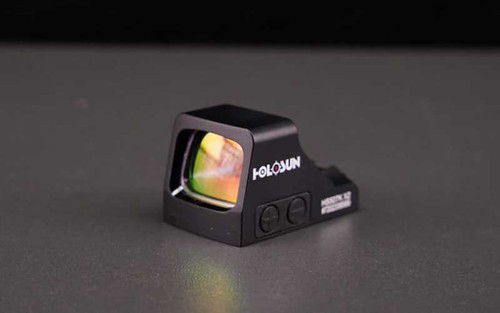
The HOLOSUN 507K is a compact optic that makes sense for smaller or carry-oriented Kimber 1911 builds, especially if you want a lighter dot that does not dominate the slide. I like it most for Commander-size or carry-focused setups.
- Reticle: Multi-reticle system
- Housing: Aluminum
- Best use: Concealed carry, compact 1911 builds
- Footprint: Modified RMSc/K footprint
- Battery access: Side battery tray
- Key strength: Compact size and versatile reticle
Pros
- Compact and lightweight
- Side-loading battery
- Multiple reticle options
- Good value for features
- Practical for carry guns
Cons
- Smaller window than full-size dots
- Requires correct K-footprint support
- May look undersized on a full-size 1911
My personal experience with K-size optics is that they conceal beautifully but demand a cleaner draw stroke. On a Kimber 1911, the 507K keeps the gun trim, and I like the circle-dot style reticle for fast close-range confirmation.
Customer feedback commonly praises the 507K for value, battery access, reticle options, and carry-friendly size. Some shooters prefer a larger window for competition or heavy range use.
For mounting, the 507K will not directly mount to a standard Kimber 1911 slide. It requires a compatible K-footprint cut, a proper mounting plate, or a dovetail adapter designed for the 507K-style footprint.
➤➤➤ Click Here to Check Price on Amazon
➤➤➤ Click Here to Check Price on OpticsPlanet
➤➤➤ Click Here to Check Price on EuroOptic
Vortex Defender CCW
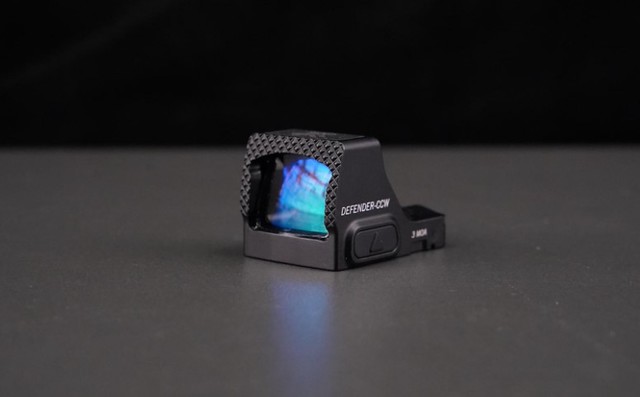
The Vortex Defender CCW is a smart pick if you want a compact carry red dot with practical features and a value-focused price. I would consider it for a Kimber 1911 carry setup where low weight and simple controls matter.
- Reticle: Red dot
- Housing: Aluminum
- Best use: Concealed carry
- Footprint: Shield RMSc-style footprint
- Battery access: Top battery access
- Key strength: Carry-friendly size and value
Pros
- Compact profile
- Top battery access
- Good value
- Practical for concealed carry
- Lightweight on a 1911 slide
Cons
- Smaller window
- Not ideal for competition
- Mounting depends heavily on plate compatibility
I like the Defender CCW when I want the pistol to stay slim and easy to carry. On a Kimber 1911, it feels more proportional than a large competition optic, especially on a Commander or lightweight model.
Customer feedback often points to the Defender CCW as a solid carry optic with good features for the money. Some users prefer larger dots for faster range work, but for daily carry, the smaller footprint is the point.
For mounting, the Defender CCW does not mount directly to a standard Kimber 1911 slide. It needs an RMSc-compatible slide cut, plate, or rear-sight dovetail adapter, depending on the exact Kimber model.
➤➤➤ Click Here to Check Price on Amazon
➤➤➤ Click Here to Check Price on OpticsPlanet
➤➤➤ Click Here to Check Price on EuroOptic
Steiner MPS
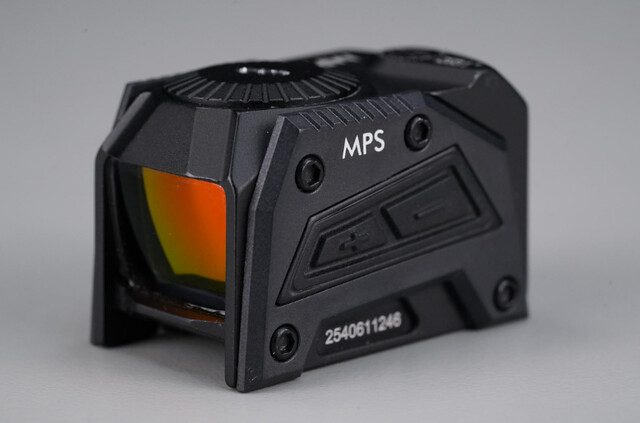
The Steiner MPS is my pick for shooters who want an enclosed-emitter optic on a Kimber 1911. It is bulkier than an open-emitter dot, but it gives extra protection against rain, lint, dust, and debris.
- Reticle: Red dot
- Housing: Rugged enclosed design
- Best use: Duty, harsh-weather carry, defensive training
- Footprint: ACRO-style enclosed optic mounting pattern
- Battery access: Side battery compartment
- Key strength: Enclosed-emitter reliability
Pros
- Enclosed emitter
- Strong housing
- Good for adverse conditions
- Side battery access
- Duty-oriented design
Cons
- Heavier than open-emitter micro dots
- Requires specific mounting plate
- Sits taller than many open dots
When I use enclosed optics, I appreciate the peace of mind more than the looks. On a Kimber 1911, the MPS gives the pistol a modern duty-gun feel. It is not the sleekest option, but it is the one I would consider for rain, dust, or defensive training environments.
Online customer feedback usually praises the MPS for ruggedness, enclosed-emitter confidence, and serious-use construction. The common tradeoff is size and the need for the correct mounting solution.
For mounting, the Steiner MPS will not directly mount to a standard Kimber 1911. It requires an ACRO/MPS-compatible plate, adapter, or custom slide cut. I would verify plate height carefully because enclosed optics can sit higher on a 1911.
➤➤➤ Click Here to Check Price on Amazon
➤➤➤ Click Here to Check Price on OpticsPlanet
➤➤➤ Click Here to Check Price on EuroOptic
How to Choose the Right Red Dot Sight
For a Kimber 1911, I start with mounting compatibility. A standard 1911 slide usually needs milling, an optic plate system, or a rear dovetail mount. Direct mounting only applies if your Kimber slide is already cut for that specific optic footprint.
Next, I look at the pistol’s purpose. For carry, I prefer compact dots like the HOLOSUN 507K or Vortex Defender CCW because they keep the gun slim. For range and competition, I prefer larger windows like the Trijicon SRO or Deltapoint Pro. For hard-use defensive work, I lean toward the Trijicon RMR Type 2 or Steiner MPS.
Window size is another major factor. A bigger window helps me find the dot faster, but it also adds bulk. A smaller dot conceals better, but it demands a more consistent draw and presentation.
Finally, consider optic height. A 1911 has a low, classic slide profile, so a tall optic may require suppressor-height sights or a different cheek and eye reference. I always confirm plate thickness, screw length, and backup sight compatibility before locking in a final setup.
FAQs
What is the best overall red dot for a Kimber 1911?
The Trijicon RMR Type 2 is my best overall pick because it is rugged, compact, and widely supported by mounting plates and slide cuts.
Can I mount a red dot directly to my Kimber 1911?
Only if your Kimber 1911 is already cut for that exact optic footprint. Most standard Kimber 1911 pistols need a mounting plate, dovetail adapter, or custom slide milling.
Is a compact red dot better for concealed carry?
Yes, I usually prefer a compact optic for concealed carry because it reduces bulk and prints less under cover garments. The HOLOSUN 507K and Vortex Defender CCW are strong compact options.
Is the Trijicon SRO good for carry?
I prefer the SRO for competition and range use. It can be carried, but its larger window and shape make it less ideal for rough daily carry than the RMR Type 2.
Do I need suppressor-height sights with a red dot on a Kimber 1911?
Often, yes. Depending on the optic, plate height, and slide cut, you may need taller backup sights if you want a usable co-witness.
Conclusion
The best red dot for a Kimber 1911 in 2026 is the Trijicon RMR Type 2. It gives me the best mix of durability, size, mounting support, and defensive credibility. If I were building a competition Kimber, I would choose the Trijicon SRO. For concealed carry, I would look at the HOLOSUN 507K or Vortex Defender CCW. For harsh conditions, the Steiner MPS is the enclosed-emitter option I would trust most.